
Three years ago, my Little League Minors team went 15-0. The next season, they went 14-0—winning the championship game 15-0 by run rule in the third inning. Then we played travel ball for a year, and I watched coaches stumble over the same mistakes I'd made early in my career. This past season, my winning streak snapped—by design.
We took calculated losses on purpose. We let kids struggle, fail, and rebuild. Then we won a single-elimination tournament by defeating the only team that had beaten us twice that season—a team stacked with six travel ball players. We won the championship game 17-3 by run rule in the fourth inning.
This isn't a story about youth baseball. It's a story about The Paradox of Success—a principle that applies to founders, operators, and anyone responsible for outcomes that compound over time.
On This Page:
- The Discovery: How I Stumbled Into The Paradox
- The Framework: What The Paradox of Success Actually Says
- The Validation: 29 Straight Wins (Then an Intentional Loss)
- Handling Criticism: When Parents Question Your Method
- The Business Translation: Why Founders Get This Wrong
- Implementation: How to Apply The Paradox to Your Leadership
- Frequently Asked Questions
The Discovery: How I Stumbled Into The Paradox
Six years ago, I was coaching Little League baseball when the Positive Coaching Alliance reached out. They offered free classes, books, and resources on applied positive psychology. I accepted—not because I was searching for a new methodology, but because I'd already seen what happens when you coach the wrong way.
Early in my coaching career, I made every mistake in the book. I obsessed over wins. I yelled at errors. I played my best players in every inning, afraid that losing would reflect poorly on my leadership. The results were predictable: burnt-out kids, stressed-out parents, and a culture of fragility.
The Positive Coaching Alliance introduced me to a concept they called The Winning Paradox: If you focus on winning as your primary goal, the side effect is losing. But if you focus on player development—on and off the field—the side effect is winning.
"I had no idea if it would work. But it made sense based on my long history of leadership, team building, and management as an entrepreneur."
— J Ryan RussowThat single idea sent me down a rabbit hole. I read The Power of Habit by Charles Duhigg, which explained how identity-based habits compound. I devoured Extreme Ownership by Jocko Willink and Leif Babin, which reframed leadership as radical responsibility. I studied Principles by Ray Dalio, which taught me to systematize decision-making.
Eventually, I traced The Winning Paradox back to its source: The Paradox of Success by John R. O'Neil. The book articulated what I'd been learning intuitively: the more you chase an outcome, the more elusive it becomes.
The Framework: What The Paradox of Success Actually Says
O'Neil's core argument is counterintuitive but empirically sound. He studied high-performing leaders across industries—athletes, executives, military commanders—and identified a consistent pattern:
The Fragility of Outcome-Dependent Leaders
Leaders who obsess over winning become outcome-dependent. They play it safe. They avoid calculated risks. They punish failure instead of using it as a learning mechanism. Their teams become fragile—unwilling to stretch, afraid to experiment, and paralyzed by the fear of losing.
The Resilience of Process-Dependent Leaders
Leaders who obsess over development build resilient systems. They condition their teams to struggle with mundane tasks. They normalize failure as part of the process. They prioritize long-term growth over short-term wins. The result: teams that compound, adapt, and ultimately dominate when it matters most.
The Paradox isn't about ignoring outcomes. It's about recognizing that outcomes are lagging indicators. They tell you what happened, not what to do next. Process is a leading indicator. It tells you what will happen if you maintain discipline.
The Validation: 29 Straight Wins (Then an Intentional Loss)
I applied The Paradox to my Little League Minors team. Instead of focusing on wins, I focused on player development:
- Movement mechanics over batting averages
- Decision-making over perfect execution
- Resilience over error-free games
- Team culture over individual statistics
The first season: 15-0. We won every game, but more importantly, we developed every player. Kids who couldn't throw strikes in April were pitching in June. Kids who struck out in April were driving in runs by July.
The second season: 14-0. We won the championship game 15-0 by run rule in the third inning. Not because we were perfect, but because we'd conditioned resilience, adaptability, and trust in the process.

After two dominant seasons, we played travel ball for a year. I watched coaches—experienced, talented coaches—make the same mistakes I'd made early in my career. They obsessed over wins. They avoided risks. They played it safe. The result? Fragile teams that collapsed under pressure.
Breaking The Streak On Purpose
This past season, I made a deliberate choice: we wouldn't win every game. We didn't need to. The season culminated in a single-elimination tournament. The goal wasn't to win every regular-season game; the goal was to peak when it mattered.
Let me be clear about the foundation: playing time was never the weapon. The head coach and I were in absolute agreement that every single kid gets a chance. In fact, that non-negotiable standard is exactly why I chose to coach with him again. Capable, disciplined, direct coaches paired with positive, supportive parents are imperative. We took calculated risks with lineups and positions, but the commitment to developing every player on the roster was never in question.
That alignment was established before the first pitch was even thrown. Before the season started, the Head Coach pulled me aside and said, "Jesse, we are just going to let you do your thing like the last time we coached together. It's why I like coaching with you. You ALWAYS have a plan." That trust gave me the freedom to execute the system without interference.
But a system is only as strong as the staff executing it. When parents inevitably questioned the unconventional methods we were implementing, the assistant coaches held the line. They absorbed the sideline noise and shielded the dugout from doubt. That unified front is what allowed the process to actually work.
With that foundation secured, I took risks. I let kids play positions they'd never played. I let them struggle, fail, and rebuild. I prioritized development over wins. We lost games we could have won. Parents questioned my decisions. Other coaches whispered that I'd lost my edge.
Then came the tournament. We faced the only team that had beaten us twice that season—a team stacked with six travel ball players who'd been together for years. They were favorites. They were experienced. They were confident and well coached.
Then came the tournament. We faced the only team that had beaten us twice that season—a team stacked with six travel ball players who'd been together for years. They were favorites. They were experienced. They were confident.
We beat them.
Then we won the championship game 17-3 by run rule in the fourth inning.
The Paradox of Success validated itself. We didn't win because we avoided failure. We won because we'd conditioned resilience through intentional struggle.
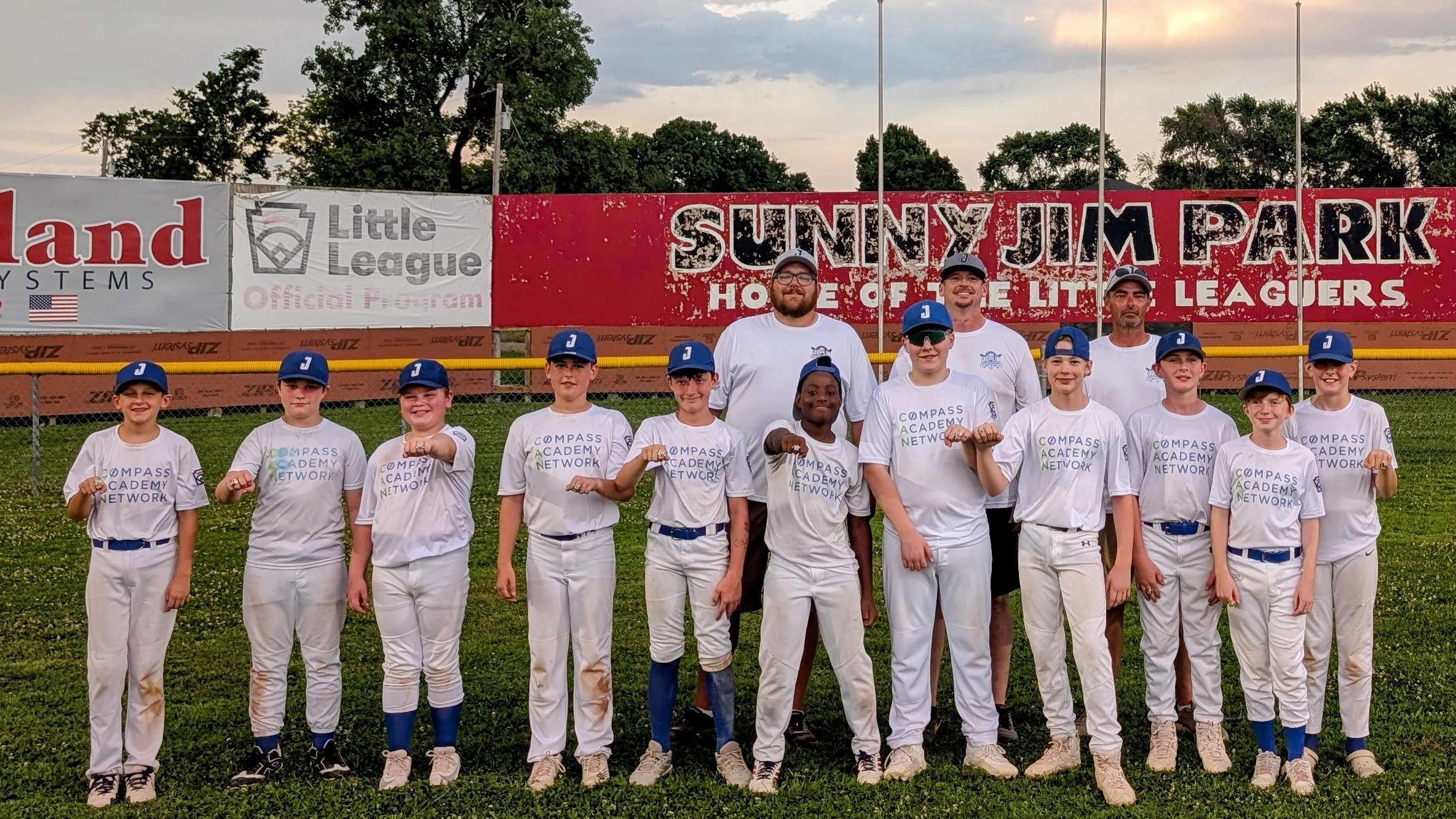
17-3
Championship Victory
(Run Rule, 4th Inning)
6
Players Never Played
Travel Ball
100%
Player Development
Focus
Handling Criticism: When Parents Question Your Method
The hardest part of applying The Paradox isn't the methodology. It's the criticism. When you prioritize development over wins, people question you:
Your answer: "Because he's been struggling with his swing mechanics. I need him to work through it now—in a low-stakes environment—so he's ready for the tournament when it matters."
Your answer: "Because I'm letting the team take calculated risks. They're learning to adapt under pressure. The regular season is practice for the tournament."
Your answer: "Because winning the regular season doesn't matter if we're not ready for the tournament. I'm building a team that compounds; he's building a team that peaks early and fades."
Criticism is inevitable. Your response should be clear, consistent, and documented. Communicate your methodology upfront. Track player development metrics (not just wins). Let results validate your approach over time.
The Business Translation: Why Founders Get This Wrong
The Paradox of Success applies directly to business leadership. I see founders make the same mistakes I made early in my coaching career:
- Obsessing over quarterly profits instead of customer outcomes
- Punishing failure instead of using it as a learning mechanism
- Playing it safe instead of taking calculated risks
- Avoiding struggle instead of conditioning resilience
The result? Fragile businesses that collapse under pressure. They win quarters but lose decades. They optimize for short-term metrics at the expense of long-term compounding.
The alternative: Obsess over customer outcomes. Condition your team to struggle with hard problems. Normalize failure as part of the process. Take calculated risks. Let profitability become a lagging indicator of a healthy system—not the primary goal.
"The best businesses don't win quarters. They compound decades. The best teams don't win regular seasons. They peak in the tournament."
— J Ryan RussowImplementation: How to Apply The Paradox to Your Leadership
Whether you're coaching youth baseball or leading a company, here's how to apply The Paradox of Success:
1. Identify Your "Winning" Obsession
What outcome are you obsessing over? Revenue? Quarterly growth? Market share? Identify the metric you're prioritizing above all else. That's your "winning" fixation.
2. Reframe It as a Lagging Indicator
Outcomes are lagging indicators. They tell you what happened, not what to do next. Shift your focus to leading indicators: customer satisfaction, team development, process adherence, resilience metrics.
3. Condition Struggle On Purpose
Create low-stakes environments where your team can struggle, fail, and rebuild. Don't avoid difficulty—manufacture it. Assign stretch projects. Let people play positions they've never played. Normalize the process of getting better, not just being good.
4. Communicate The Methodology Upfront
Don't wait for criticism. Communicate your methodology before it's needed. Explain The Paradox. Document player/team development metrics. Let stakeholders know that short-term losses may precede long-term wins.
5. Let Results Validate Your Approach
The Paradox of Success only works if you trust the process. There will be criticism. There will be short-term losses. There will be moments of doubt. But if you've built a resilient system—one that compounds, adapts, and learns—results will validate your approach when it matters most.
Consistent Results Across Years
The Paradox of Success isn't a one-time fluke. It's a repeatable system that compounds year after year.

2022
Undefeated Season
Joplin Family Festival Champions
2024
29-0 Record
Fourth Seed Tournament Champions
2026
Intentional Losses
Tournament Champions
Ready to Build a Leadership System That Compounds?
The Compound Performance Circle is for founders, operators, and leaders who refuse to optimize one pillar of performance while neglecting the others. If you're ready to build strength, mindset, and wealth simultaneously—using The Three-Pillar Method—apply to join the 2026 cohort.
Frequently Asked Questions
The Paradox of Success, as described by John R. O'Neil, states that if you focus on winning as your primary goal, the side effect is often losing. However, if you focus on player development—on and off the field—the side effect is winning. The more you chase the outcome, the more elusive it becomes.
Expect it. Parents, players, and even other coaches will question your decisions—especially when you take strategic losses to build resilience. The key is clear communication: explain the long-term vision, document player growth, and let results validate your methodology over time.
In my experience, yes—compoundingly. My Little League teams went 15-0, then 14-0, including a championship game won 15-0 by run rule in the third inning. When I shifted to intentional struggle (taking calculated losses), we won a tournament by defeating the only team that had beaten us twice that season.
The same principle applies: obsess over quarterly profits, and you'll make short-term decisions that kill long-term value. Obsess over customer outcomes, team development, and systems, and profitability becomes the natural byproduct. The best businesses compound; they don't just win quarters.
The foundational text was "The Paradox of Success" by John R. O'Neil. Additional influences include "The Power of Habit" by Charles Duhigg, "Extreme Ownership" by Jocko Willink and Leif Babin, "Principles" by Ray Dalio, and materials from the Positive Coaching Alliance.
Winning streaks create fragility. Players become outcome-dependent, afraid of mistakes, and unwilling to take calculated risks. By strategically allowing failure—letting kids struggle in low-stakes games—you condition resilience. The goal isn't to win every game; it's to win when it matters most.